Trust & radical transparency as the hardest currency in IT project management
Why "digital trust" decides the success or failure of IT projects
In the hyperconnected global economy, trust is long past being a “soft skill” — it has developed into a hard economic metric. Where capital or raw materials once dominated markets, in the era of digital transformation it is “digital trust” that decides success and failure. This article analyses how IT project leaders can turn crises into strategic assets through radical honesty, data-driven leadership and psychological safety.
When projects start to wobble…
In an ideal world, IT projects run linearly from kick-off to go-live. Reality, however, is shaped by complexity, change, budget overruns and technical faults. At this point a crisis acts as the ultimate stress test for the relationship of trust between the project team and its stakeholders.
Studies show that organisations leading in digital trust are 1.6 times more likely to achieve significant revenue growth¹. Trust acts as an accelerator here: in high-trust environments, decision-making speed and efficiency rise while the cost of control falls. Conversely, a lack of trust acts like a “tax” on every piece of communication.
The end of “watermelon reports”
A critical obstacle to digital trust is the “watermelon effect”²: projects that appear “green” on the outside in dashboards, while at their core they are already deeply “red.” This phenomenon is often the result of a toxic corporate culture in which managers fear that a critical status will be seen as personal failure.
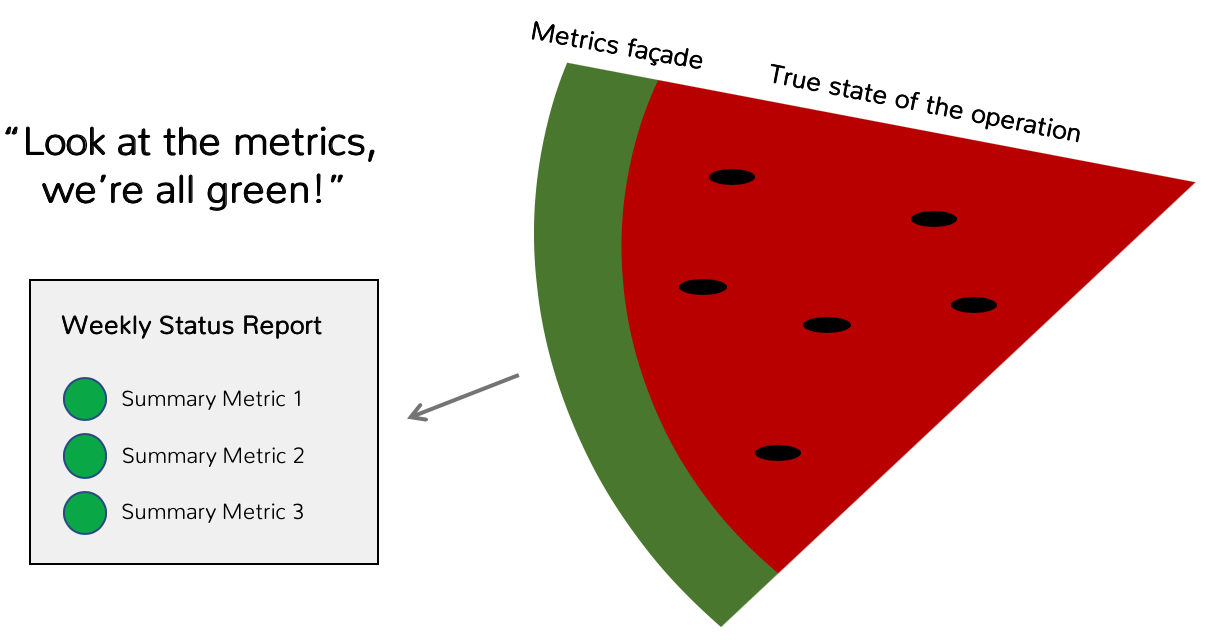
Figure 1: The “watermelon effect.” Source: ckmanalytix.com
To break open this “green skin,” leadership has to actively lower the price of the truth.
Practical measures:
- Meetings should specifically ask about blockers, rather than only celebrating successes.
- Tasks count only as 0% or 100% done, to avoid the “90% trap.”
- Early escalation of risks is rewarded, not punished.
KPIs instead of gut feeling
To take the subjectivity out of crisis conversations, the shift to data-driven leadership is essential. Valid metrics serve as objective referees. A central example is the mathematical determination of defect density, i.e. the “number of confirmed defects in the software/module during a given period of operation or development, divided by the size of the software/module”³. Alongside this software quality, metrics such as sprint velocity (delivery capability: measures the amount of work a team successfully completes within a fixed time span) and the change failure rate (the percentage of changes that lead to defects, outages or disruptions in production and require rework) are suited to demonstrating control over technical reality.
By combining metrics and analysis as early as possible, you can keep an overview throughout a project and react to incidents:
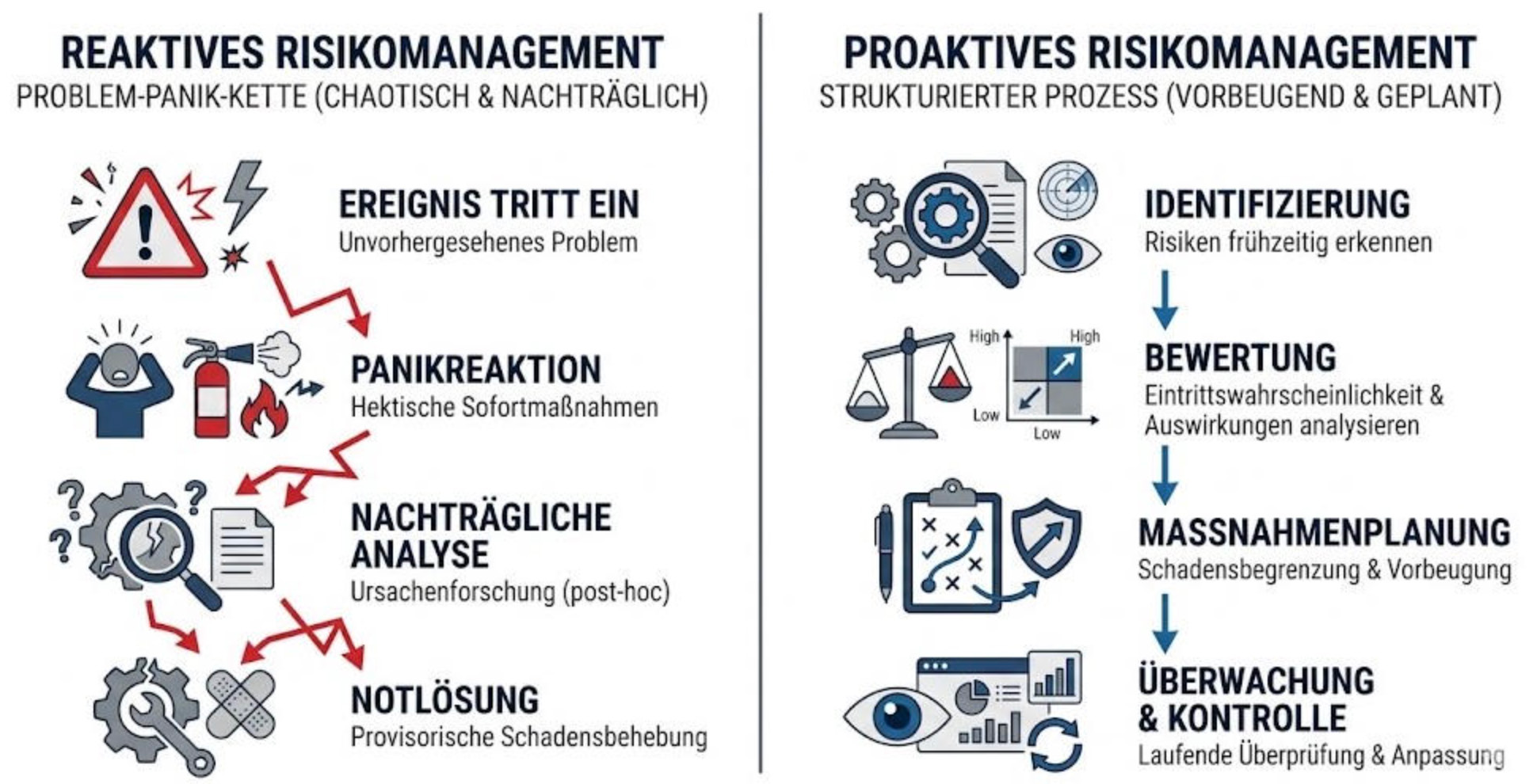
Figure 2: Reactive vs. proactive risk management. Source: image generated by Gemini (Google AI).
Psychological safety as the human foundation
Technological excellence only unfolds its effect in a climate of psychological safety. Amy Edmondson, a management scholar at Harvard Business School, defines this groundbreaking concept as the certainty that one will not be humiliated for voicing concerns⁴. Teams with high psychological safety detect faults faster and communicate them openly, which lowers the overall cost of fixing them. This is the core of digital trust: the integrity of the human system behind the technology.
Active change management⁵
When change happens, the ADKAR model⁶ steps in to guide stakeholders through the change process: genuine digital trust arises through participation. Stakeholders should be actively involved in finding solutions, for example through joint steering committees.
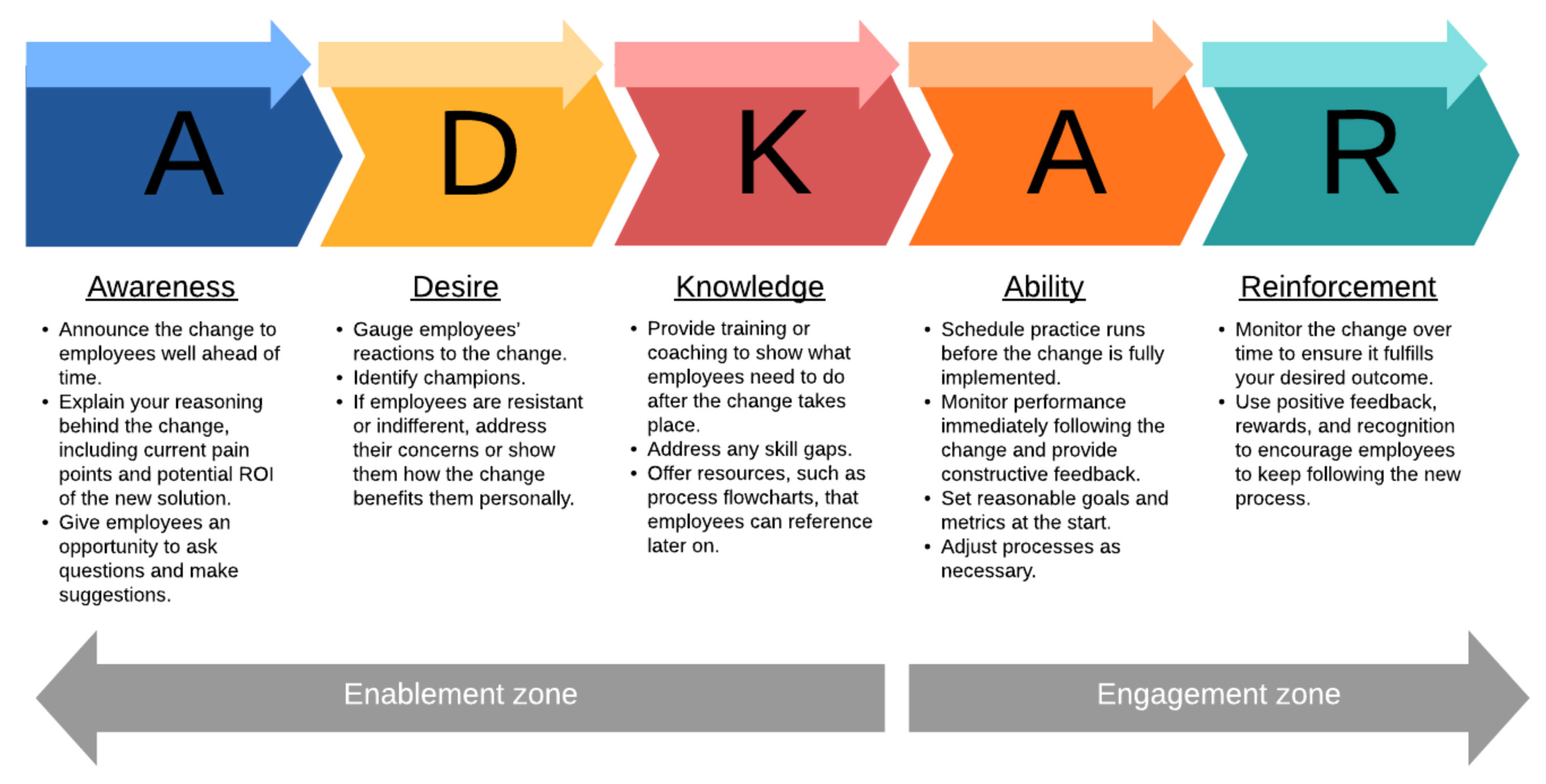
Figure 3: The ADKAR model. Source: lucid.co
Conclusion
“In a time of change, the greatest currency is the trust people place in a leader.”⁷ — Stephen M. R. Covey
Trust is the greatest asset for managers in times of uncertainty. Transparency is not an act of weakness but proof of maturity and competence. Those willing to lay open the “red inside” of their projects and to rely on data instead of gut feeling create the precondition for long-term success.
As paradoxical as it may sound:
In a world where quality is the currency, transparency remains the safest vault.
Sources and further reading
- McKinsey: Why digital trust truly matters (accessed 12 Mar 2026)
- Nicholas Hartman: Beware of the watermelon (accessed 11 Apr 2026)
- Thomas Hamilton: Defect density — software testing terminology (accessed 11 Apr 2026)
- Amy C. Edmondson: Psychological safety (accessed 12 Mar 2026)
- Alexander “weixi” Weichselberger: Change management in projects — what really matters
- Lucidchart: Using the ADKAR model for change management (accessed 11 Apr 2026)
- Stephen Covey: In a time of change… (accessed 12 Mar 2026)
Published in QualityNews H1/2026