The Invisible Colleague: Artificial Intelligence
A day in the life of the average consumer — and what it means for companies

Are you even aware of how often the average consumer encounters artificial intelligence (AI) over a normal (working) day these days? It is far more than you would originally assume. Let’s look at an example!
In our example, this is our average Joe — let’s call him Otto: aged between 30 and 40, since this age group is more technology-savvy and uses apps, streaming and smart home devices. But already economically established, so that our Otto can also afford these devices and services. We assume he owns both a smartphone and a smartwatch.
Our example colleague is an office worker (whether marketing, sales, IT, etc. doesn’t matter for our example) who commutes daily from his home to his workplace. For our example, we follow Otto through a normal working day, but he is already looking forward to his next holiday.
So we have our generic character, with whom we will walk through our example day.
06:00
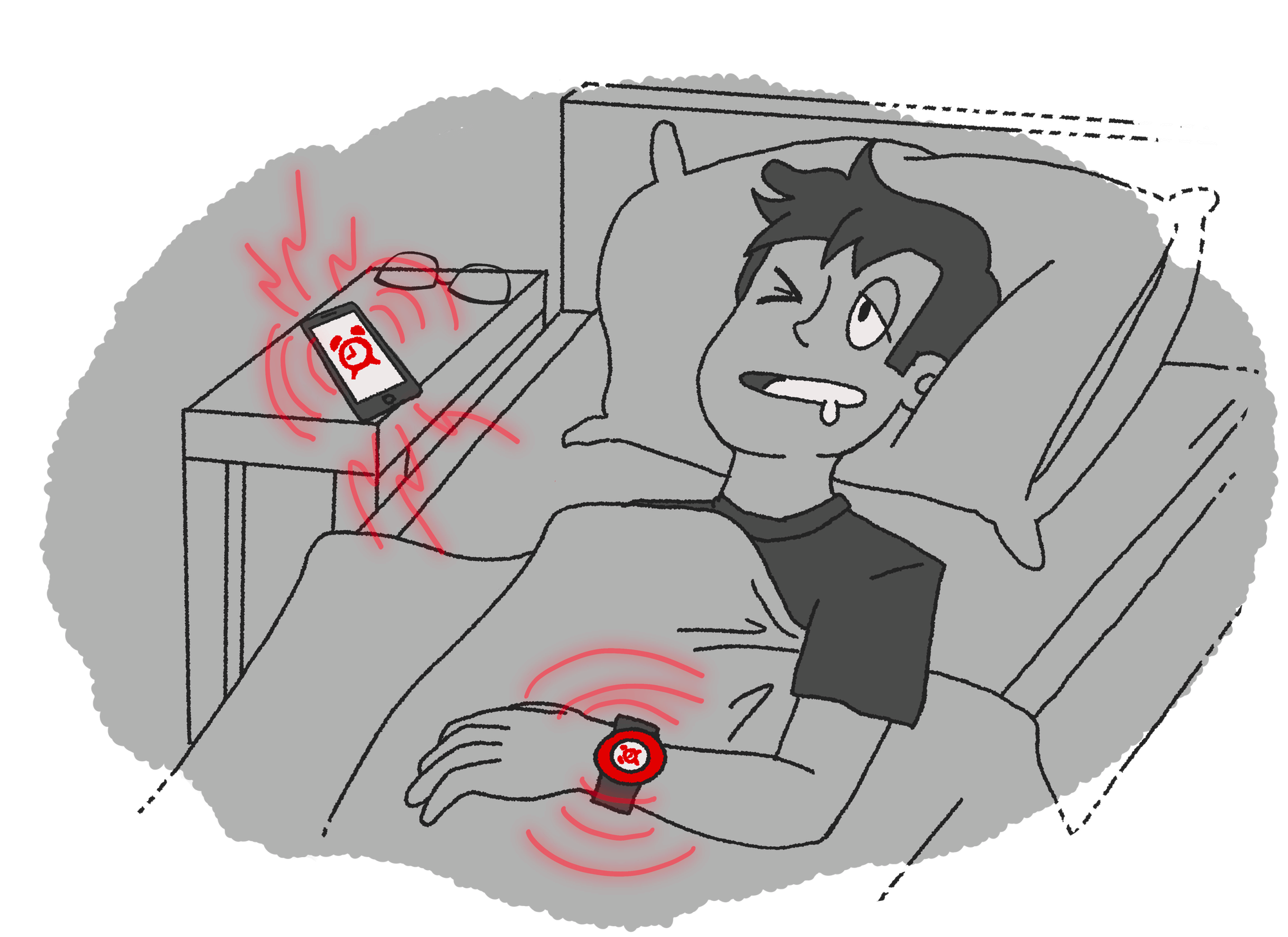
Otto is gently woken – based on data from his AI sleep analysis, which has learned his cycle and, on that basis, created a prediction of the ideal sleep phase for waking.
His smartwatch tracks his sleep phases and collects this data.
07:00
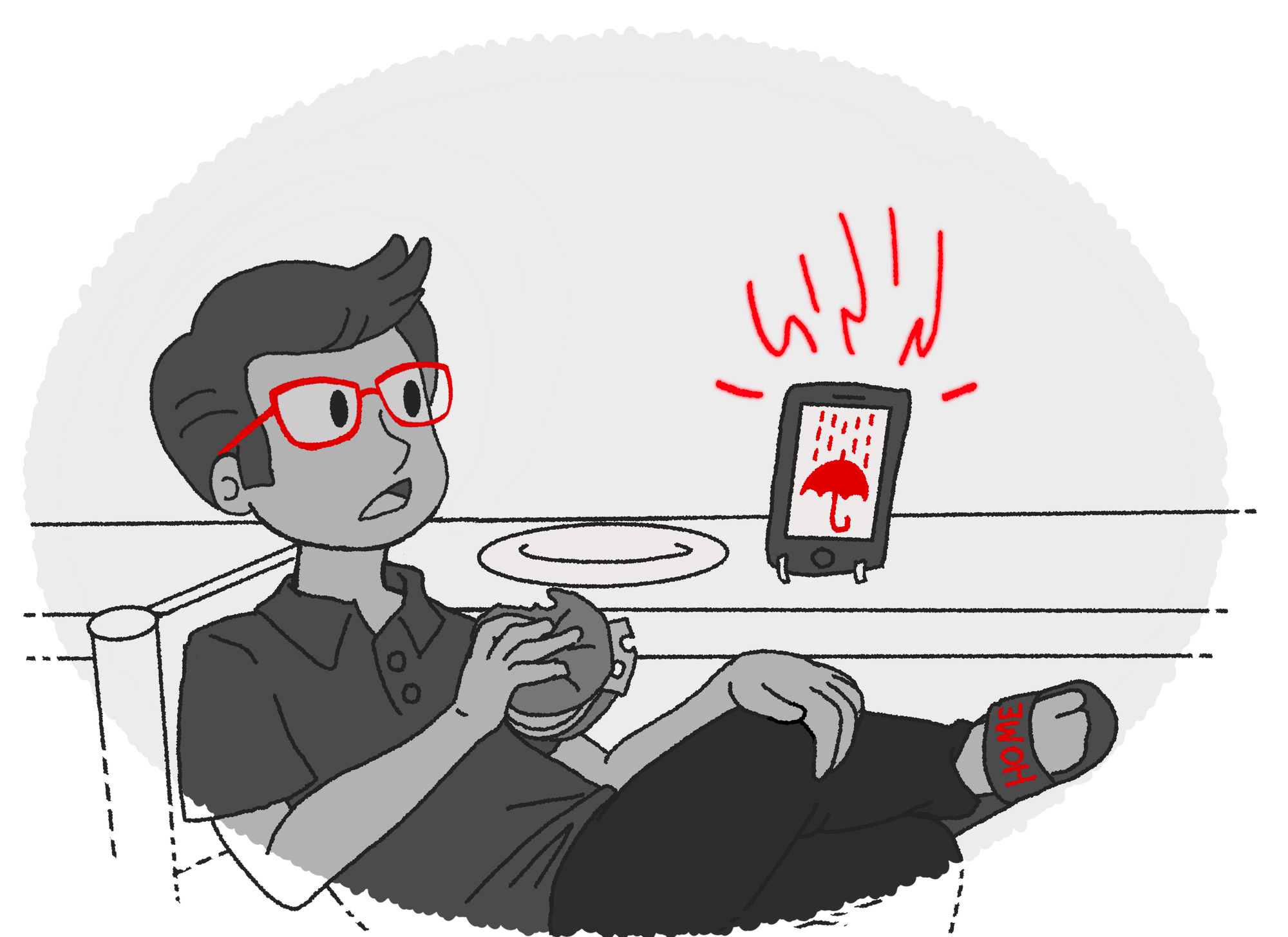
Otto sits at the breakfast table and, while he eats, asks his voice assistant of choice how the weather will develop today and over the course of the week – after all, he is already looking forward to his upcoming holiday and hopes for good weather.
The AI used here not only improves the raw data and recognizes complex patterns (among other things on the basis of historical data), but also outputs the results locally and precisely. This considerably speeds up and simplifies the weather forecast.
07:30
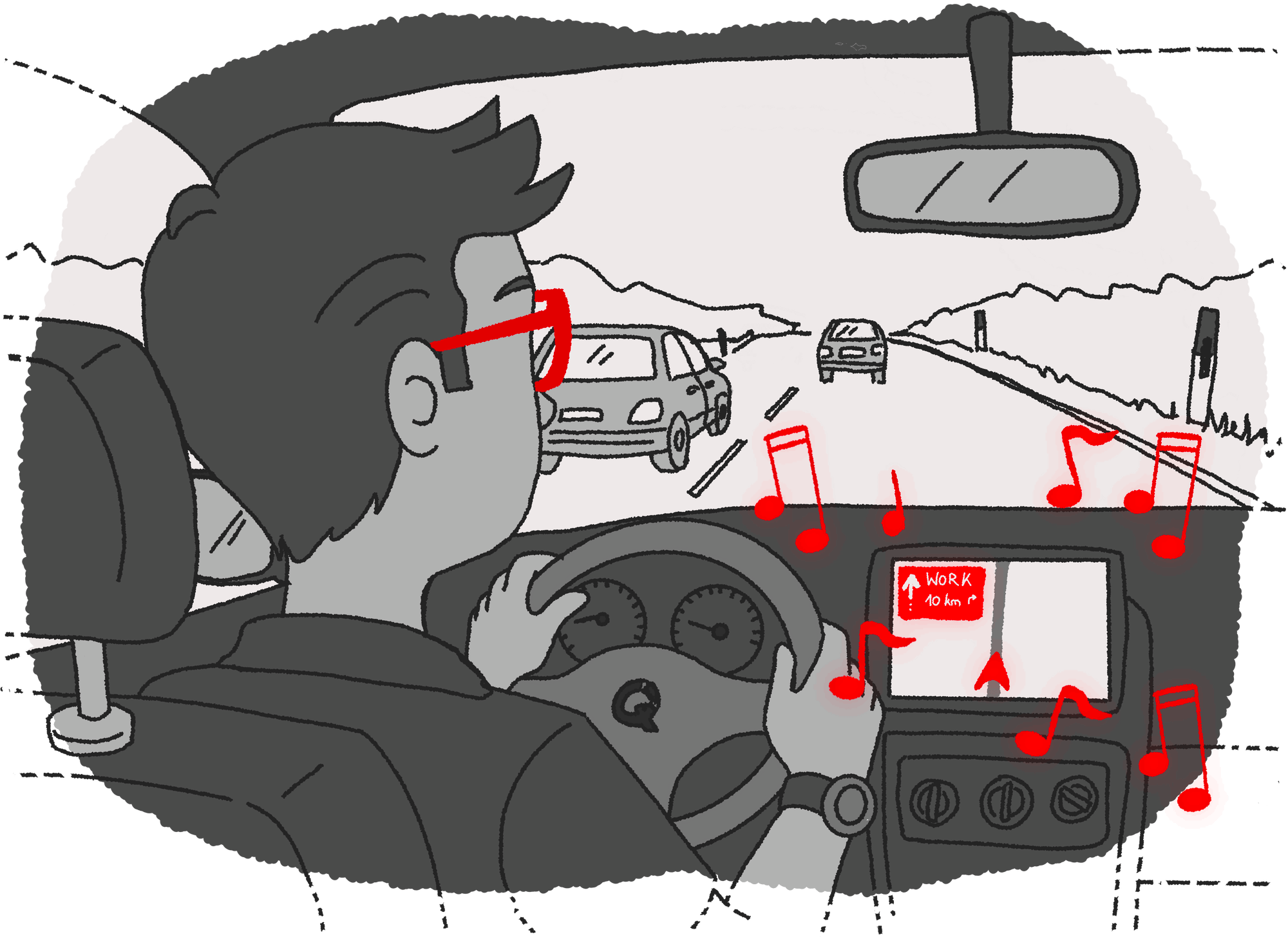
On the way to work, Otto uses an AI routing algorithm to get the fastest route to his destination based on real-time data. While driving, he plays songs based on AI recommendations in the music-streaming service of his choice, which serve up the “matching” song for him.
In between, Otto has his voice assistant read out today’s appointments, so that he can already prepare for them mentally.
09:00
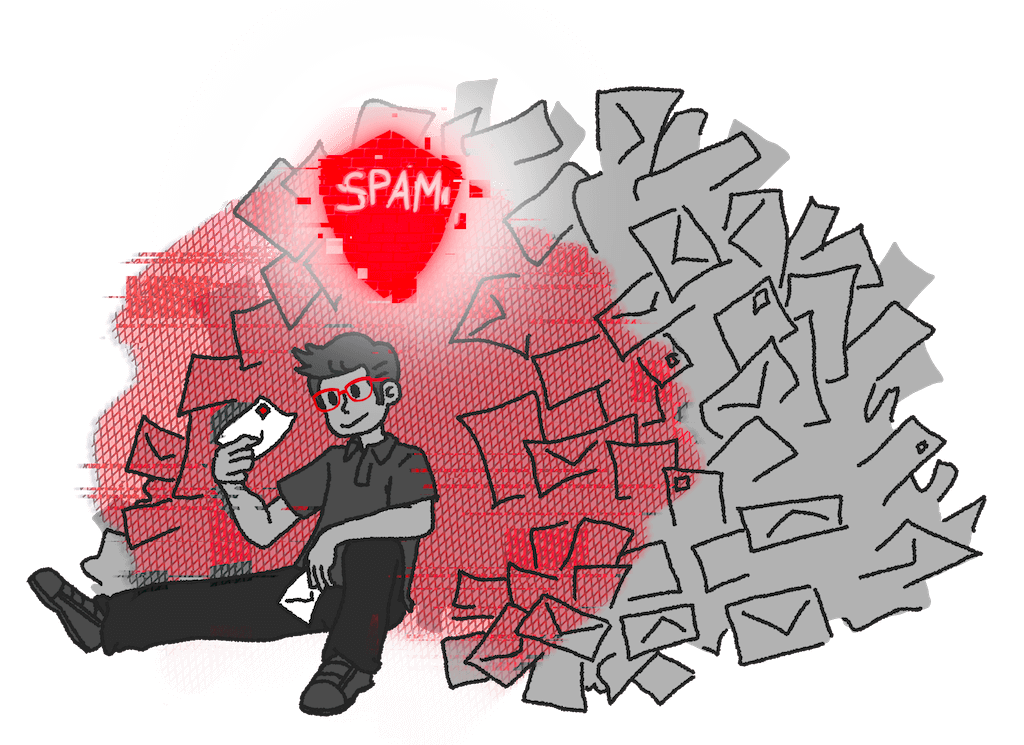
While Otto works with focus, his AI spam filter protects him from 99% of the unwanted emails that would otherwise flood his inbox.
When writing his emails, AI text prediction supports him by suggesting the next words. But since Otto is still not entirely happy with his wording, he has the AI rephrase his text until he is satisfied with the result.
12:30
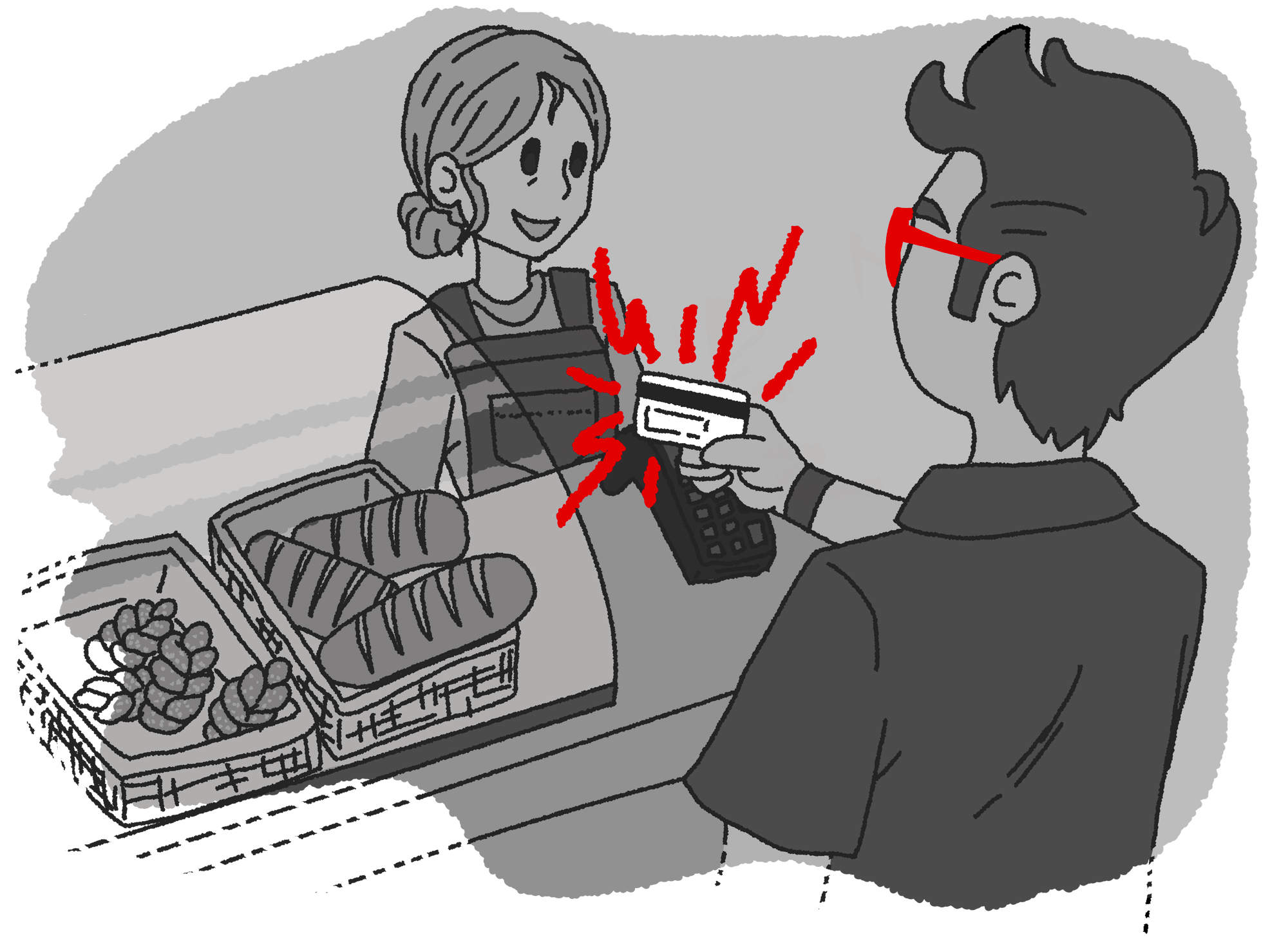
It is time for Otto’s lunch break. Today he goes again to his favorite bakery, where he once more comes into contact with artificial intelligence. The baker uses an algorithm that, based on weather data, day of the week and historical sales figures, optimizes daily production and thereby minimizes waste. He pays for his food contactlessly with his card, while in the background AI-supported fraud detection is carried out. This analyzes the normal purchasing pattern and decides whether a transaction is unusual.
15:00
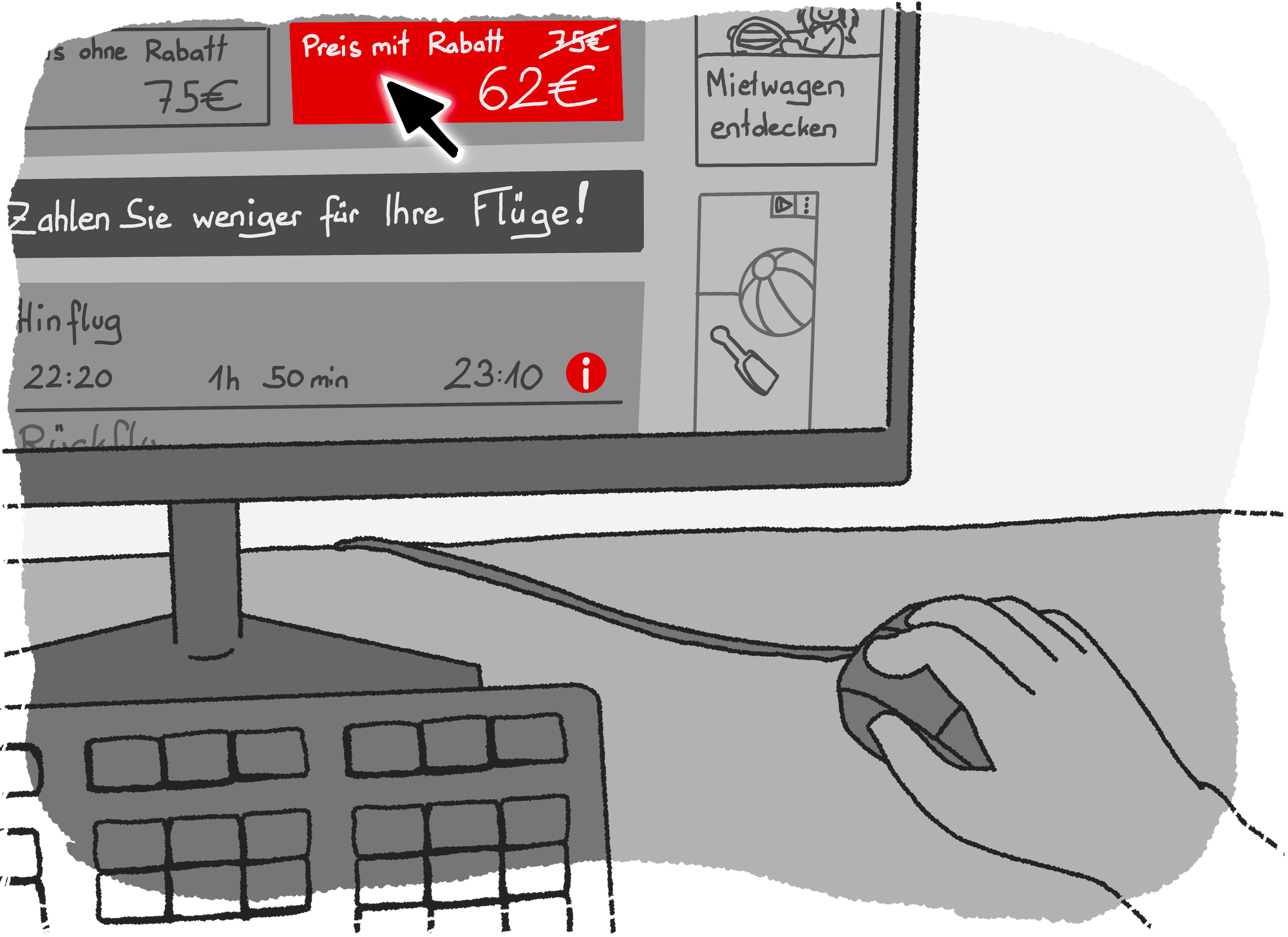
Otto takes a little time for some online research about his dream holiday destination. His search results are tailored based on earlier searches and his data (e.g. age, location, websites visited). For instance, in earlier searches he had preferred more expensive hotels – so these are now suggested to him first.
When opening the first search result, Otto encounters AI-driven, personalized advertising. The displayed prices for the trips were also analyzed in real time in order to offer him the best and cheapest option.
18:00
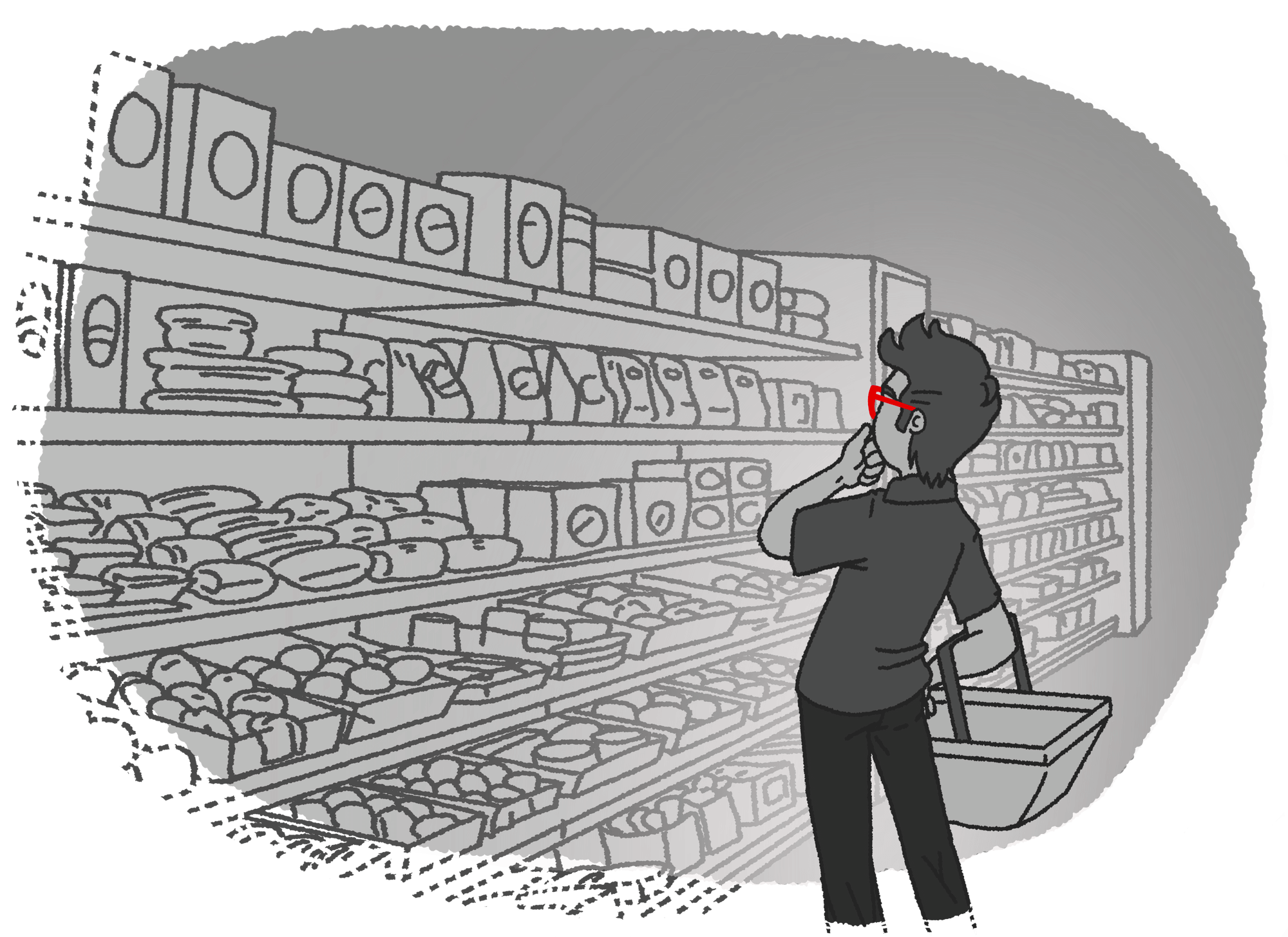
Otto finishes his work and decides to quickly pick up a few groceries before the drive home, heading to his nearest supermarket. There, AI-supported checkout systems and inventory AIs are in use to keep the shelves always optimally stocked and to make all goods available.
20:00
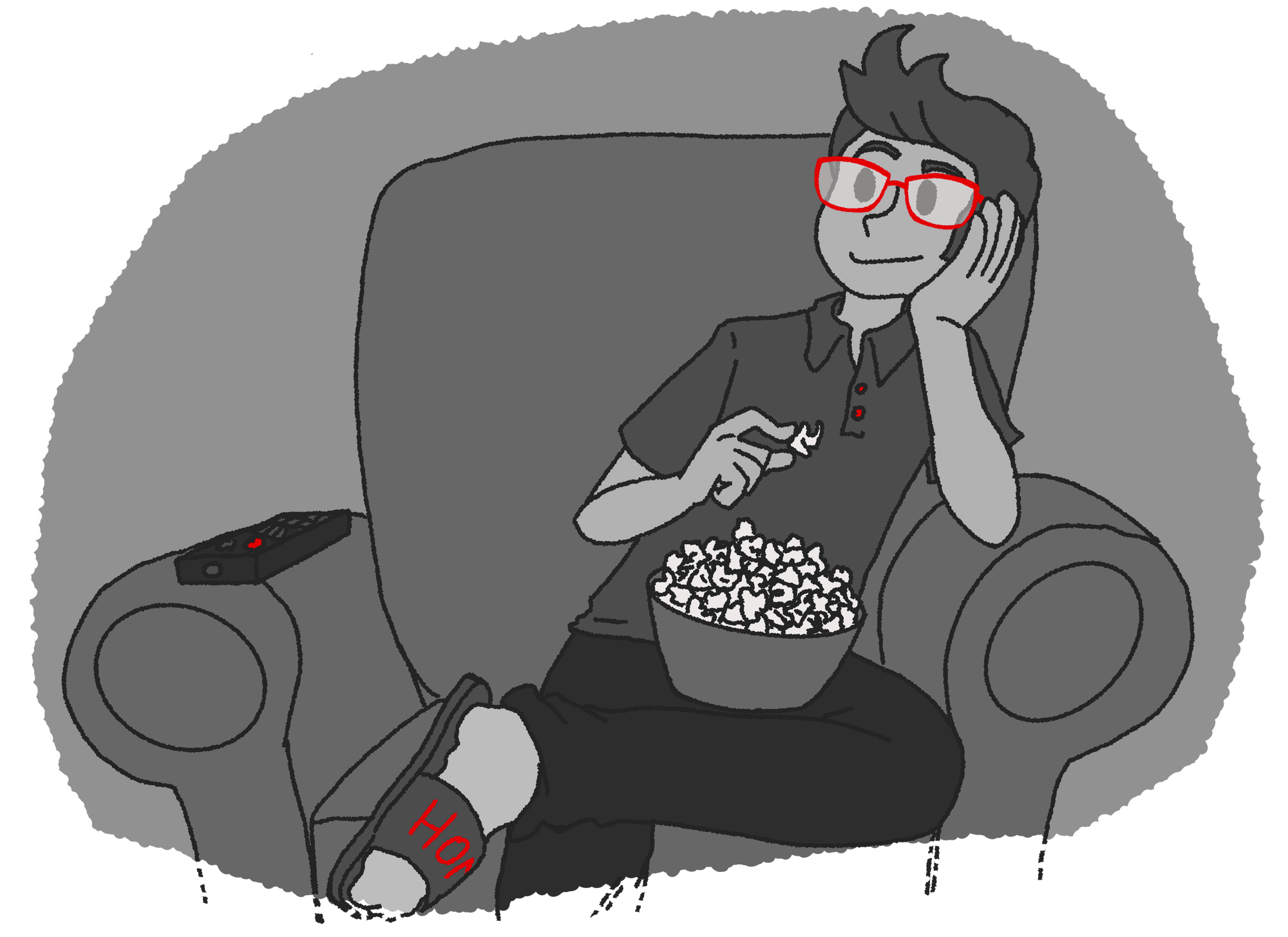
To round off his evening, Otto wants to watch a film on his favorite streaming service. The AI recommendation engine directly suggests a list of film choices based on his previous viewing habits. In the end, he picks a film set in his holiday destination, in order to get in the mood for his trip.
You can see: at several points in Otto’s day there is AI that you wouldn’t expect at first, or over which Otto has no influence at all. In many places, artificial intelligence makes his everyday life easier without Otto even noticing it. This shows how deeply AI is already rooted in our daily lives and how impossible it has become to imagine life without it.
Besides Otto, there are many employees and colleagues who consciously decide to use AI and, with full awareness, use (and want to use) various chatbots to make their work easier. Many companies, however, still hesitate to introduce AI in a (regulated) way, which means that many colleagues use AI privately and without the company’s knowledge — AI that could potentially represent a major security gap for the company. Because the individual employee is often not aware of the effects of using AI on a company’s data protection and IT security, and doesn’t think about it either – that is not their job. This responsibility lies with the company itself.
From Otto’s example alone, one can already find some potential security gaps, however unlikely they may be. Let’s quickly look at two cases:
- His smartwatch collects a vast amount of data about him which, in the event of a hack (which can never be entirely ruled out), would give attackers detailed insight into his presence times, daily structure and location. This information can be misused for social-engineering attacks against him or his company.
- While driving, Otto accesses his business calendar via the voice assistant of his private smartphone. Since he cannot read while driving, he has all appointments read aloud to him. Appointments could have sensitive names such as “strategy meeting with customer X.” Should the recording or the log of the voice assistant be hacked, confidential business information would be exposed via an unauthorized, private channel.
Potential alone does not guarantee that a risk becomes reality. But it only takes one thing to go wrong to bring far-reaching consequences with it. A conscious and regulated approach to artificial intelligence is therefore always preferable, in order to minimize possible negative effects and make optimal use of the advantages of this technology. It is highly advisable to proactively identify and assess possible risks and to develop strategies for dealing with them.
But how do you achieve that?
First of all: a ban on the use of AI should be avoided, because such bans often only lead to secret and uncontrolled use. Bans only lead to the forbidden being used to an unregulated extent. Moreover, the employees who use AI want to make use of its advantages. By being relieved of repetitive tasks through AI, they gain valuable time for more demanding and creative activities. And: companies that shun AI exclude themselves from efficiency gains and risk being overtaken by more agile competitors.
So what do you actually do now?
The company has to define clear rules and guidelines that employees can orient themselves by. This not only creates a transparent working environment but also promotes the efficiency and consistency of work processes. When employees know which behaviors are desired within the company and which products can be used, undesirable consequences and misconduct can be reduced.
Examples of a company-wide strategy for AI could be the following:
- The introduction of an “AI driver’s license,” i.e. a training or certification meant to give employees the necessary knowledge and skills to use AI safely and efficiently in their daily work.
- Establishing an open communication culture in which employees are encouraged to ask questions and to report the tools they discover themselves to the IT department for clarification.
- Defining a whitelist of approved AI tools (e.g. a secured internal company AI) and an explicit ban on using unsecured, public models.
- The use of a four-eyes principle before any AI-generated content is used or even published.
- Setting up an interdisciplinary team (IT, legal, business departments) that reviews, approves and securely provides tools.
Artificial intelligence has become impossible to imagine our everyday life without, as Otto’s example shows. It is already firmly integrated into our lives and our daily routines. Instead of resisting it, AI should be used strategically. The question is no longer whether AI is deployed, but how. It is crucial not to leave this question to chance, but to actively engage with the possibilities and challenges in order to exploit its full potential. Act now and rethink your strategies – because AI has long since arrived in the house.
First published on the SEQIS Blog.
Originally published at SEQIS Blog